


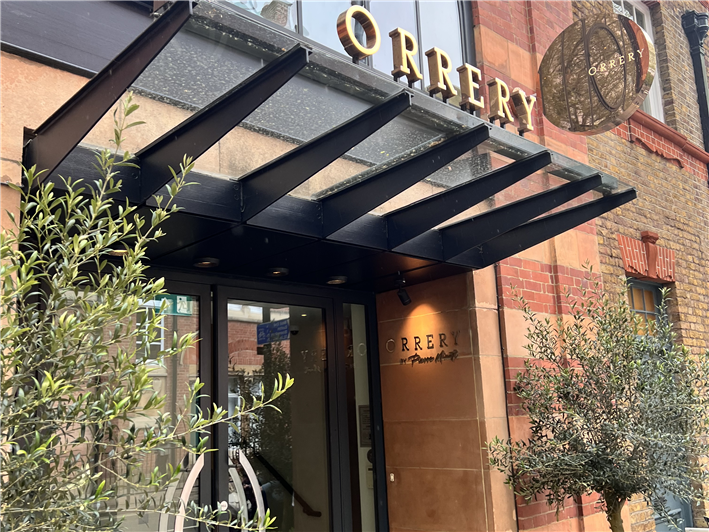


This restaurant reopened in March 2026 after a major refurbishment and with a new head chef. Pierre Minotti was formerly head chef of Alex Dilling at Cafe Royal, and was head chef at The Greenhouse. He also worked at Helene Darrozze at the Connaught, Alain Ducasse at The Dorchester and at three-star Michelin Pic in Valence. Orrery was originally opened in 1997 by Terence Conran and had a Michelin star from 1999 to 2008. There was a three-course set lunch option at £85, a five-course tasting menu at £165 and a seven-course tasting menu at £185.
The wine list was huge, with over 800 different wines on offer. Sample references were Markus Molitor Riesling Haus Klosterberg 2022 at £72 for a bottle that you can find in the high street for £17, Louis Michel & Fils Chablis2023 at £95 compared to its retail price of £31, and Sigalas Assyrtiko 2024 at £130 for a wine that will set you back £26 in the high street. For those with the means there was Trimbach Riesling Grand Cru Geisberg 2019 at £220 compared to its retail price of £76, and Joseph Phelps Cabernet Sauvignon 2021 at £275 for a wine whose current market value is £98.
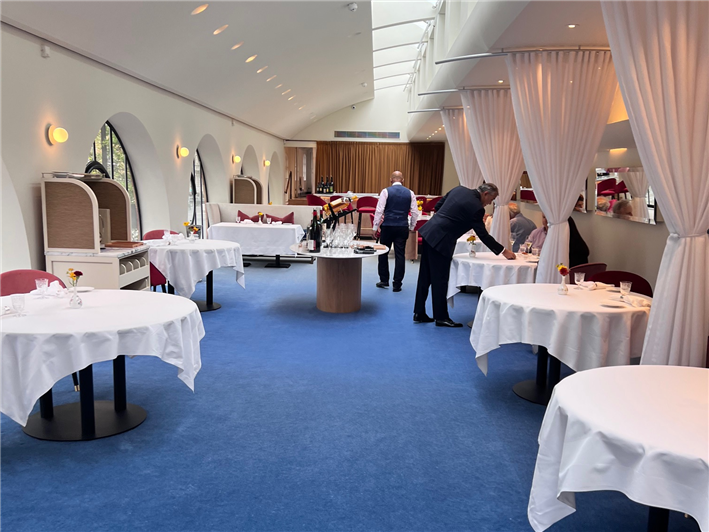
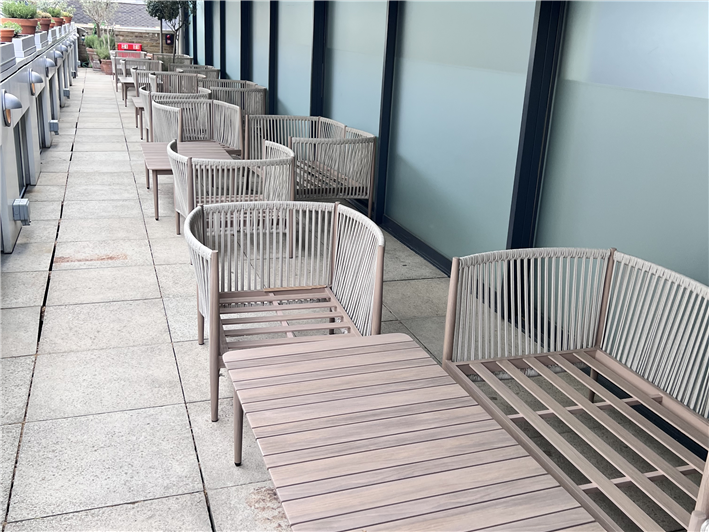
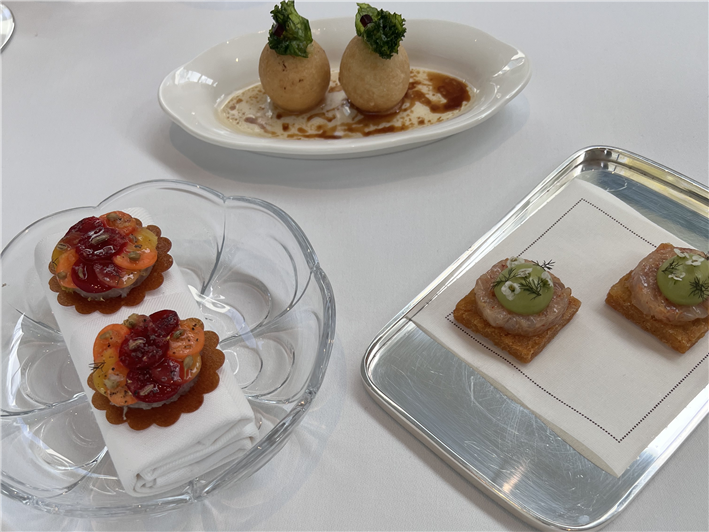
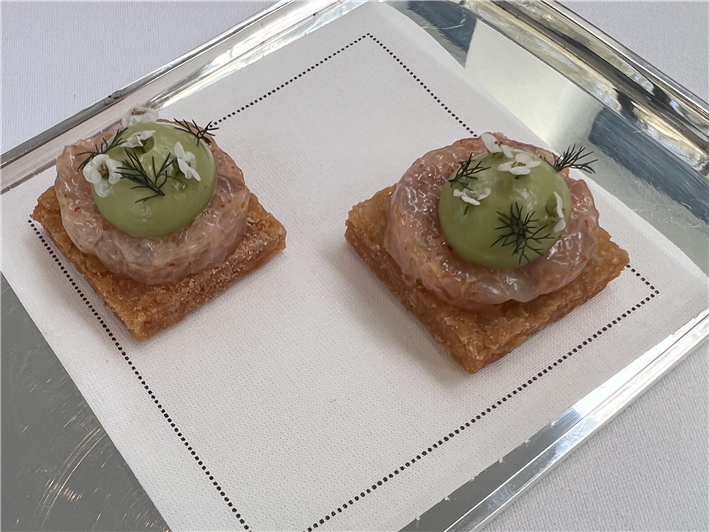
The new room is bright and airy, with very widely spaced tables, a rarity in London. The restaurant seats just 34 covers, less than half the number than it used to seat in the old configuration. It is clearly now aiming at a higher culinary level than before. There is also a roof terrace for drinks and snacks, open during the summer months. The meal began with some canapes. A prawn cocktail with avocado was served on a potato rosti base. The sweet Torbay prawns were lightly dressed in a cocktail-style seasoning, paired with a smooth avocado condiment and served on a crisp potato rosti for contrast. The rosti itself had excellent texture.
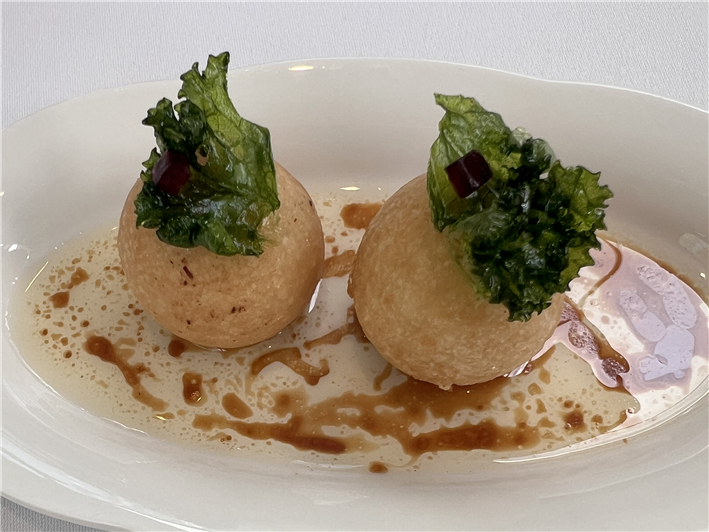
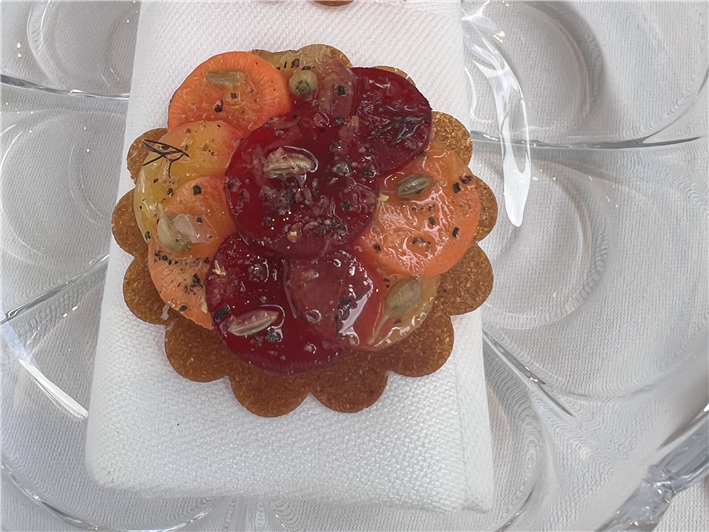
Beignet of ox cheek was ox cheek slowly braised in red wine until tender, then placed inside a beignet. The sauce was reduced from the cooking juices and lightly split with beef fat for greater depth. On top, a touch of crispy kale and red wine jelly added freshness and acidity. The content was tasty but there was a significant problem in that the outside dough was distinctly undercooked, so far from crisp. Sea bream tartare with cream and pickled carrot and sourdough tuile was better. The sea bream was lightly seasoned and rested on a crisp sourdough tuile, with carrot prepared escabeche-style to bring a little acidity, while the vadouvan aioli added a touch of aromatic spice. The vadouvan aioli was made by blending mayonnaise and olive oil with garlic, lemon juice, and vadouvan curry powder. For me the the acidity in this canape perhaps a touch too sharp but it was certainly pleasant. The canapes were just about 15/20 on average, but the beignet needs improvement in terms of the coating.
Spring vegetable crudités came on a base of onion soubise. A white asparagus jelly was also served, and a Thai basil jus with pistachio and colatura, an Italian fish sauce made from anchovies. This dish was apparently inspired by a classic anchoïade, a traditional dish from the south of France where seasonal vegetables were served with a sauce made from anchovies, olive oil, and garlic. The vegetables were white asparagus, green asparagus, turnips, and radishes. Some of them were served raw to keep their crunch, while others (the asparagus and turnips) were lightly blanched. Underneath the vegetables there was a light onion soubise cream, made from slow-cooked onions blended with crème fraîche and a touch of lemon juice. The vegetables were lightly dressed with olive oil, lemon juice, espelette pepper, and Maldon salt, with pistachios and basil. There was also a white asparagus jelly, made by extracting the juice from white asparagus and seasoning it with Champagne vinegar to bring freshness. Finally, there was a Thai basil sauce with Parmesan and a touch of colatura, a traditional Italian anchovy sauce. This brought a deep savoury flavour and was the connection with the original anchoïade. The assorted sauces and jelly were good, but it is hard to make crudites really exciting unless the vegetables themselves are dazzling. For example, they used to serve superb crudites at Louis XV in Monaco many years ago, but they had access to dazzling Mediterranean vegetables. The ones used here were fine, but were a long way from that level (14/20).
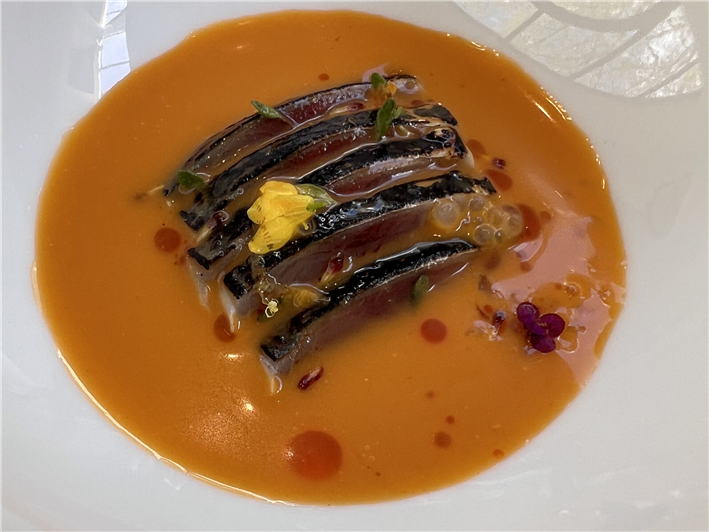
This was followed by bouillabaisse, poured at the table over a base of mackerel and finger lime, and was infused with saffron and Meyer lemon. The mackerel was lightly cured and slightly pickled to enhance its natural oiliness, paired with fennel purée and Meyer lemon for freshness, and topped with finger lime and Espelette pepper. The dish was finished with a chilled saffron bouillabaisse sauce blended with Irish sea urchin to add creaminess. Classic Bouillabaisse is always made with rock fish, such as red mullet, and flavoured with tomato, fennel, garlic, and saffron. Normally, this dish is served hot, with pieces of fish and potatoes in the soup. This version was served cold, seemingly to allow the different flavours of the fish be displayed better. Finally, there was a lemon confit purée, a fennel purée cooked with Pernod, along with fresh finger lime, which a citrus note. It is not easy to make a good bouillabaisse and this version was very good, with deep flavour. Perhaps a grander fish than mackerel could be considered, though personally I am fan of mackerel, so this worked fine for me (15/20).
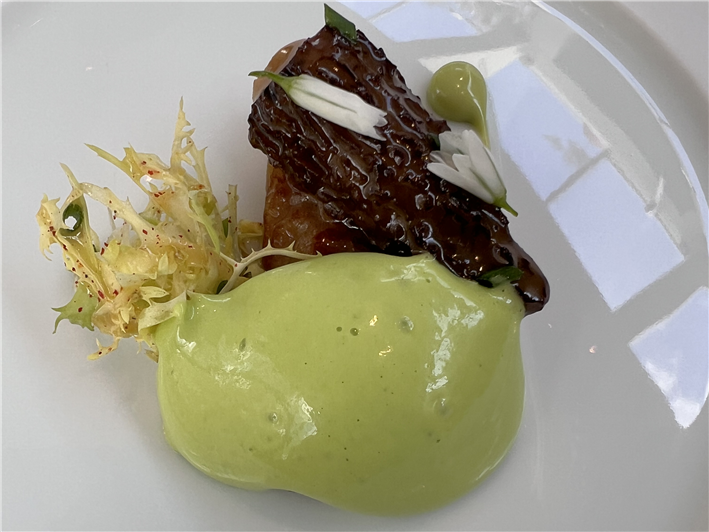
The best dish of the meal was galette of morels with wild garlic sabayon. A traditional buckwheat galette was filled with wild mushroom and bacon farce, enriched with aged cheddar. On top, a morel mushroom was stuffed with pork and cheddar. This was served with frisée and herbs, and finished with a wild garlic sabayon. The base was delicate, while the morel had lovely flavour, and the excellent garlic sabayon was a complementary woodland flavour for the morels. The cooking of this dish was spot on. This was a high-class dish (17/20).
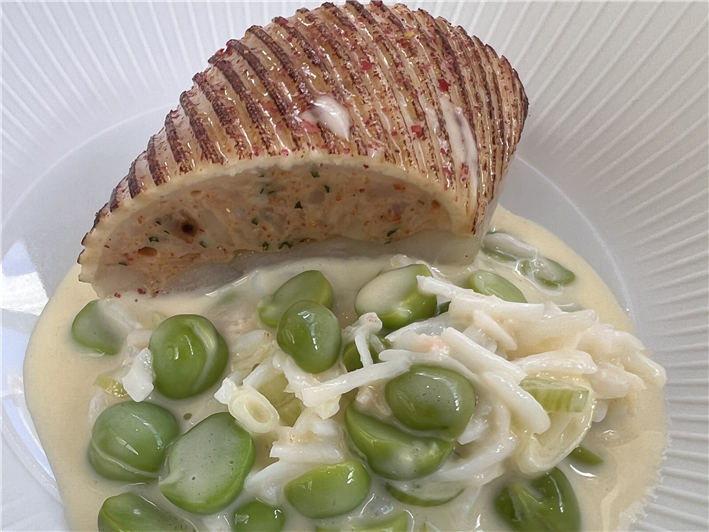
This was followed by John Dory, accompanied by a puree of peas with spring onion, brown crab and lemon verbena sauce. The John Dory was gently steamed and filled with a shrimp farce seasoned with espelette pepper. Alongside, a pea purée was scented with lemon verbena. There was also Devon white crab, lightly warmed in salted butter with peas and spring onion. The pea puree was nice, but the John Dory was barely cooked at all, almost raw. I don’t mind sashimi at all, but that was not really the intent here (just about 14/20 due to the other nice elements, but the fish was problematic). Sourdough bread was made in the kitchen and was pleasant, though the hydration levels could arguably have been higher, to make it lighter. The holes in the sourdough here were small, and the texture a little dense.
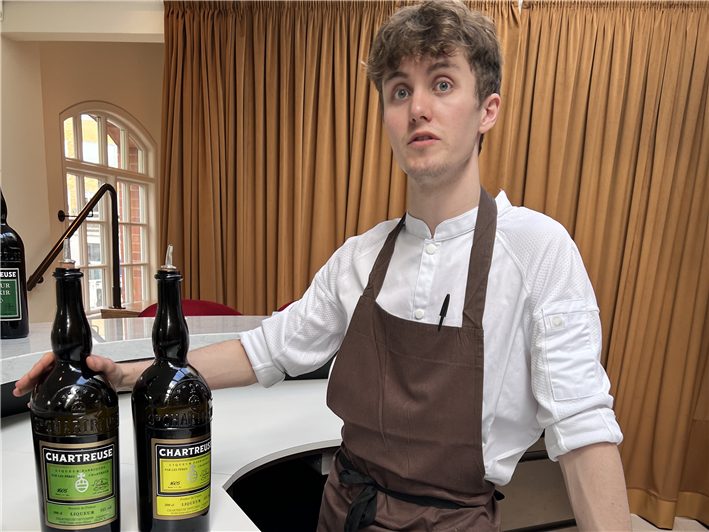
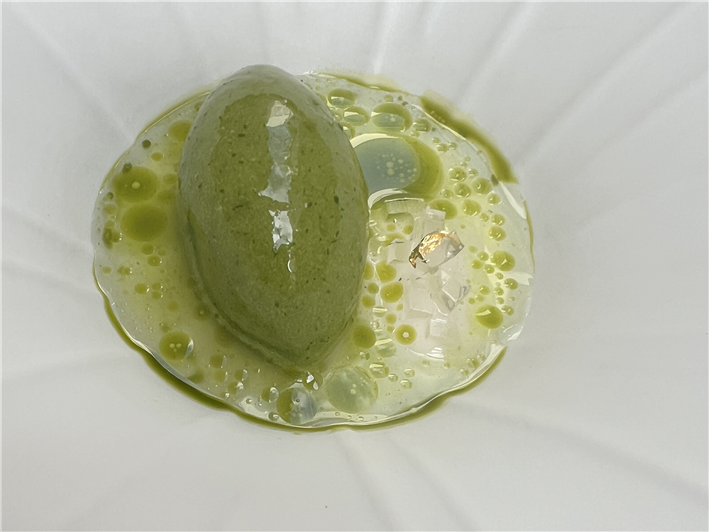
There was then a pause as we were led off to a little counter at the end of the dining room for a “Chartreuse experience”. This was essentially a palate cleanser, a choice of either lemon balm or lovage sorbet depending on which of the two different chartreuse were selected. The lovage sorbet also had a warm galangal infusion, finished with green Chartreuse. I understand a lemon related sorbet as a palate cleanser, but lovage is a big, herbal flavour that dominates everything else, and for me doesn’t really fulfil the palate cleanser brief of being refreshing (13/20).
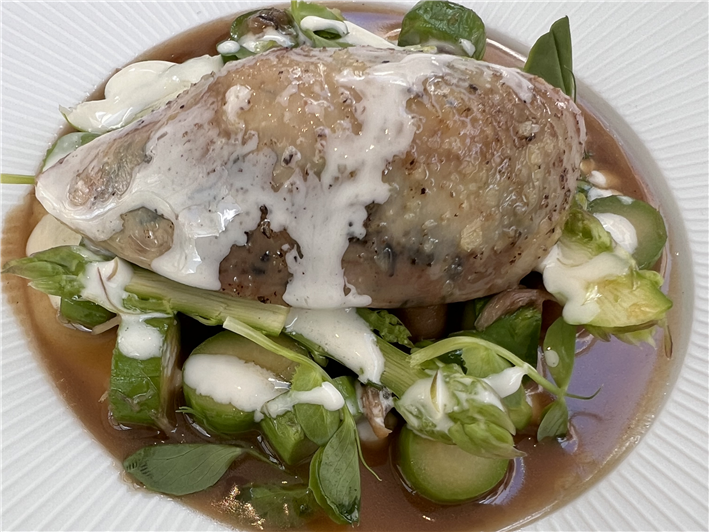
Quail poached stuffed with foie gras with chestnut gnocchi and vin jaune sauce was next. The quail was from a well-known farmer called Pierre Duplantier, based near the Pyrenees, who supplies some three-star Michelin restaurants in France. A standard quail, for example ones raised in Norfolk that are often found in London restaurants, are usually raised for about five weeks. These birds are raised for fifteen weeks and corn fed giving the skin a slightly yellow colour. The quail flavour is more intense than regular quail, the meat naturally darker and slightly red, due to the way the birds are raised and the longer growing period, which gives the meat a deeper, more gamey flavour. The corn-fed quail was poached and stuffed with foie gras. It was served with chestnut gnocchi and English green asparagus. The sauce is based on vin jaune, bringing a nutty character. The bird was cooked on the bone and stuffed under the skin with a farce of foie gras and black trumpet mushrooms. Underneath was a ragu made with chestnut gnocchi, prepared with chestnut flour, English green asparagus, and black trumpet mushrooms. This was glazed in a quail jus with a little butter and finished with cherry vinegar for acidity. It was nice to see a high-quality quail being used, but it was undercooked, the skin pale and flaccid. It was also unclear to me why chestnuts, which have a season from October to January, were on a menu in April. The vegetables such as the English asparagus with the quail were nicely cooked and the quail flavour itself had very good flavour, but for me it was definitely undercooked (barely 14/20). This has the potential to be a much better dish.
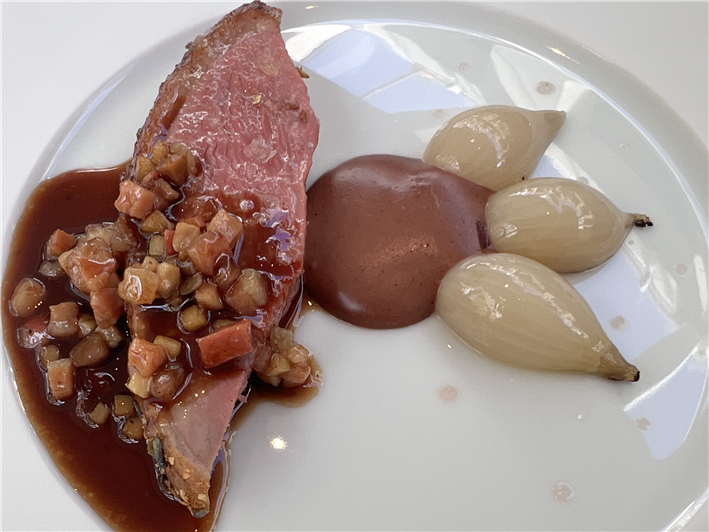
We tried an extra dish of roast duck with mixed spices, black pudding, confit onion, honey and red wine sauce with ceps. Creedy Carver duck from Devon was roasted on the crown to keep the meat tender and the skin crisp. The skin was glazed with English honey and mixed spices. It was accompanied by a black pudding condiment and confit grelot onions cooked in duck fat. The sauce was a honey and red wine vinegar gastrique, giving a balance of sweetness and acidity. A gastrique sauce is a reduction made by caramelizing sugar and deglazing it with vinegar (or citrus) to create a sweet-and-sour glaze. Grelot onions are small, tender, young spring onions with white or red bulbs and long, edible green stalks, prized for their mild, sweet flavor and crunchy texture. This was a nice dish, the cooking in this case accurate, the ceps and red wine sauce having good flavour (16/20).
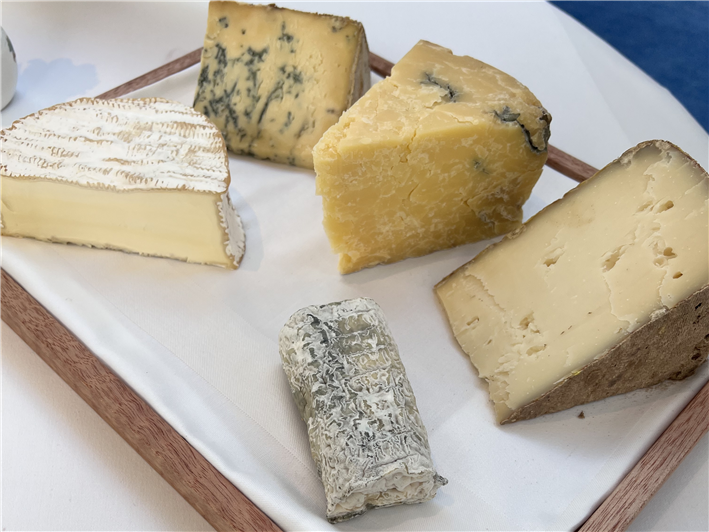
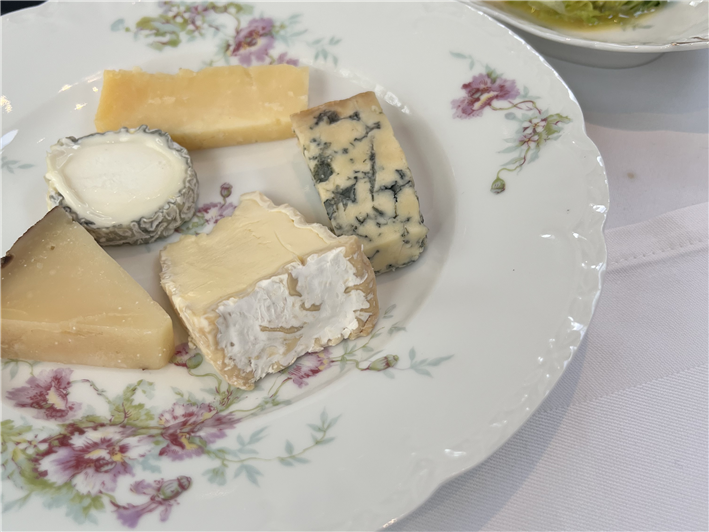
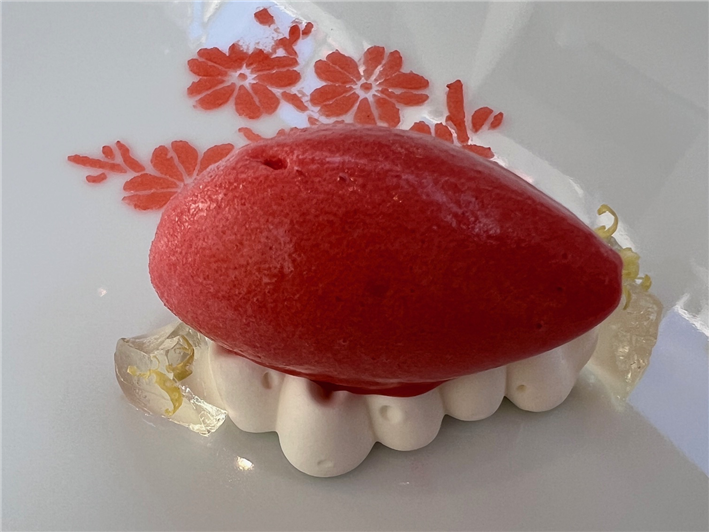
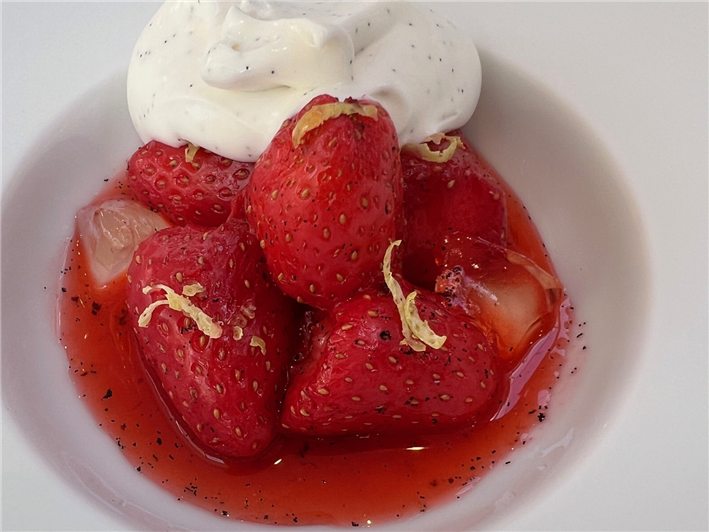
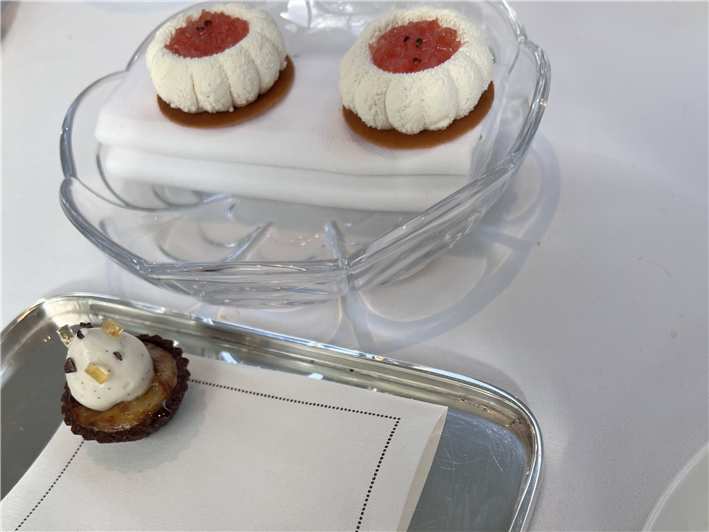
Cheese was a choice of Cropwell Bishop Stilton, Montgomery cheddar, Roncevaux (made from sheep and goat milk), Pont d’Or and Brillat Savarin. The cheese supplier was Fromagerie Beillevaire, and the cheeses were in good condition. These came with fruit bread. Dessert was gariguette strawberry with elderflower, French meringue and cheesecake Chantilly. French gariguette strawberries are known for their fragrance and natural sweetness, paired with elderflower jelly, strawberry sorbet and lightly macerated with vanilla. A cheesecake Chantilly added creaminess. This was very enjoyable, the strawberries having excellent flavour, the textures of the different elements all being as they should be (15/20). The restaurant offered Lavazza coffee, an industrial blend that seemed to me an odd choice for a fine dining restaurant, so I drank tea instead. Petit fours were a delicate vanilla flan with whisky ganache, whiskey cubs and cocoa nibs for texture, and a grapefruit tart finished with Timut pepper, bringing a citrus-spice note, with a grapefruit ganache and custard in almond tuile.
Service was genuinely excellent throughout the meal. There was a knowledgeable Spanish sommelier, and the restaurant manager here is Fadil Nuha, who has worked at Orrery for over a decade. A charming general assistant manager, Paula Gondim, who was formerly manager at Endo at the Rotunda, looked after us today. The bill was, well, …., it was high: £674 each. We had the full tasting menu and added a dish, and drank some very good wine. If you went for the short tasting menu and shared a modest bottle of wine you could probably end up with a bill as low as £160 per person. This restaurant had only been open a few weeks, and it showed. There were a number of teething troubles, and the whole chartreuse experience section of the meal felt rather forced. For a restaurant aiming high in the culinary ambition level, it was odd to see things like Lavazza coffee and Exmoor caviar being used. The main concern was the sheer number of small technical slips, which was a surprise given the track record of the executive chef, who was in the kitchen at this service. On the other hand, the galette dish showed that there is some real talent in the kitchen. Hopefully the cooking will settle down, and the early issues will be ironed out. Overall, the dishes averaged to 15/20.
Further reviews: 01st Jun 2006
tim wharton
Thanks, as always, for the interesting review. Alas, I had the John Dory, not the galette, and it sounds as if I missed out (I had the 5-course). But I enjoyed my meal here very much. Incidentally, whenever I've had anchoïade in France it's been slathered thickly on toast, which I think works far better than a dip for crudités (let's face it, we'll never get Louis XV crudités in the UK). I gave the Chartreuse a miss...